
7 Mistakes Small Businesses Make When Choosing a Web Designer in Cape Town (And How to Avoid Them)
Choosing the right web designer is one of the most important decisions a small business can make. While affordable web design in Cape Town has become more accessible, not every low-cost website delivers long-term value. Some businesses discover months later that their website loads slowly, doesn’t rank on Google or fails to generate enquiries.
Finding affordable web design in Cape Town can be challenging. If you’re comparing prices, you may also find our guide on How Much Does a Website Cost in South Africa helpful before requesting quotes.
This guide explains the seven most common mistakes businesses make when choosing a web designer and how to avoid them. Whether you’re launching your first website or replacing an outdated one, understanding these pitfalls can save you time, money and frustration.
1. Choosing the Cheapest Quote
One of the biggest mistakes small businesses make is selecting a web designer based purely on price.
While affordability is important, the cheapest option is not always the best value. Low-cost websites often lack important features such as mobile responsiveness, fast loading speeds, search engine optimization, and conversion-focused design.
Instead of comparing only the price, consider what is included in the package and whether the website will help your business achieve its goals. If you’re unsure what a realistic website budget looks like, read our Website Design Prices in South Africa guide before making your decision.
Extremely low prices often mean important work has been omitted. Technical SEO, image optimisation, structured data, security configuration and mobile performance are frequently excluded from budget websites. While the initial quote may seem attractive, fixing these problems later usually costs more than investing in a professionally built website from the start.
2. Ignoring Mobile-Friendly Design
More than half of all website visitors now browse from mobile devices.
A website that looks great on a desktop computer but performs poorly on a smartphone can result in lost enquiries and sales.
Modern small business websites should be designed mobile-first to improve user experience, conversions and Google rankings.
When comparing affordable web design Cape Town providers, always ask whether the website will be fully responsive and optimized for mobile users.
A professional website should provide an excellent experience regardless of screen size.
More than half of website visitors now browse using smartphones. If buttons are difficult to tap, text is too small or pages load slowly on mobile devices, potential customers often leave before making contact. Google also uses mobile performance as an important ranking signal, making responsive design essential.
3. Failing to Check Previous Work
Before hiring a web designer, take time to review their portfolio.
Look for:
- Professional design quality
- Fast-loading websites
- Easy navigation
- Modern layouts
- Industry experience
Reviewing real projects is one of the best ways to judge a designer’s capabilities. Browse our recent website design case studies to see examples of completed client websites.
A strong portfolio demonstrates the designer’s ability to create websites that are both visually appealing and functional.
If a web designer cannot show examples of completed projects, this should be considered a warning sign.
A strong portfolio demonstrates consistency rather than just attractive screenshots. Look for websites that load quickly, display well on mobile devices and include clear calls to action. If possible, ask whether the designer has experience building websites for businesses similar to yours.
4. Overlooking Website Ownership
Many business owners are surprised to discover they do not fully own their website after it has been completed.
Before signing any agreement, confirm:
- Who owns the website files
- Who owns the domain name
- Who controls the hosting account
- Whether you can move the website elsewhere in the future
A reputable web designer should provide complete transparency regarding ownership and access.
Always ensure you own your domain name, hosting account and website files. This gives you complete control over your online presence and allows you to change hosting providers or web designers in the future without unnecessary complications.
5. Forgetting About Ongoing Website Maintenance
A website is not a one-time project.
Like any business asset, it requires ongoing maintenance to remain secure, fast, and effective.
Regular website maintenance may include:
- Security updates
- Software updates
- Backups
- Content changes
- Performance optimization
Learn more about our professional Website Maintenance Services and how regular updates help protect your investment.
Businesses searching for affordable web design in Cape Town should also consider the long-term support available after the website launches.
Even a small business website benefits from regular maintenance. Updating WordPress, plugins and security patches helps protect your website while maintaining compatibility with new browsers and devices.
6. Choosing Design Over Functionality
A visually attractive website is important, but it should also help generate enquiries and customers.
Many businesses focus on appearance while neglecting important functionality such as:
- Contact forms
- Call-to-action buttons
- Online quotation requests
- Lead generation features
- Search engine visibility
A successful website balances professional design with business objectives. A professionally designed business website combines attractive design with SEO, speed optimisation and lead generation features from day one.
The best websites are designed to convert visitors into paying customers.
Attractive websites should also encourage visitors to take action. Clear navigation, contact forms, quote request buttons and trust-building content all contribute towards turning visitors into customers.
7. Not Considering Future Growth
Your business may look very different in two or three years.
A website should be flexible enough to grow with your company.
Consider whether your chosen web designer can support future requirements such as:
- Additional pages
- Ecommerce functionality
- Online bookings
- Blog content
- Customer portals
- Marketing integrations
If you plan on selling products online later, make sure your website can easily be upgraded into an eCommerce website without rebuilding everything.
Planning for future growth can prevent expensive redesigns later.
A flexible website allows your business to expand over time. Whether you later add ecommerce, online bookings, additional service pages or new locations, your website should be built on a platform that can grow with your business.
Still comparing DIY website builders with hiring a professional? Read our detailed comparison of DIY Websites vs Professional Web Design before making your decision.
webdesign faq
Questions to Ask Before Hiring a Web Designer
Who owns the hosting account?
Is SEO included?
Will my website be mobile-friendly?
How many revisions are included?
Will I be able to update the website myself?
What happens after the website launches?
Is ongoing support available?
Signs You’ve Found the Right Web Design Company
✔ Transparent pricing
✔ Previous work
✔ Local experience
✔ Mobile-first development
✔ SEO knowledge
✔ Google Business Profile understanding
✔ Fast support
✔ Clear communication
Real Client Success: Why Investing in a Professional Website Made the Difference
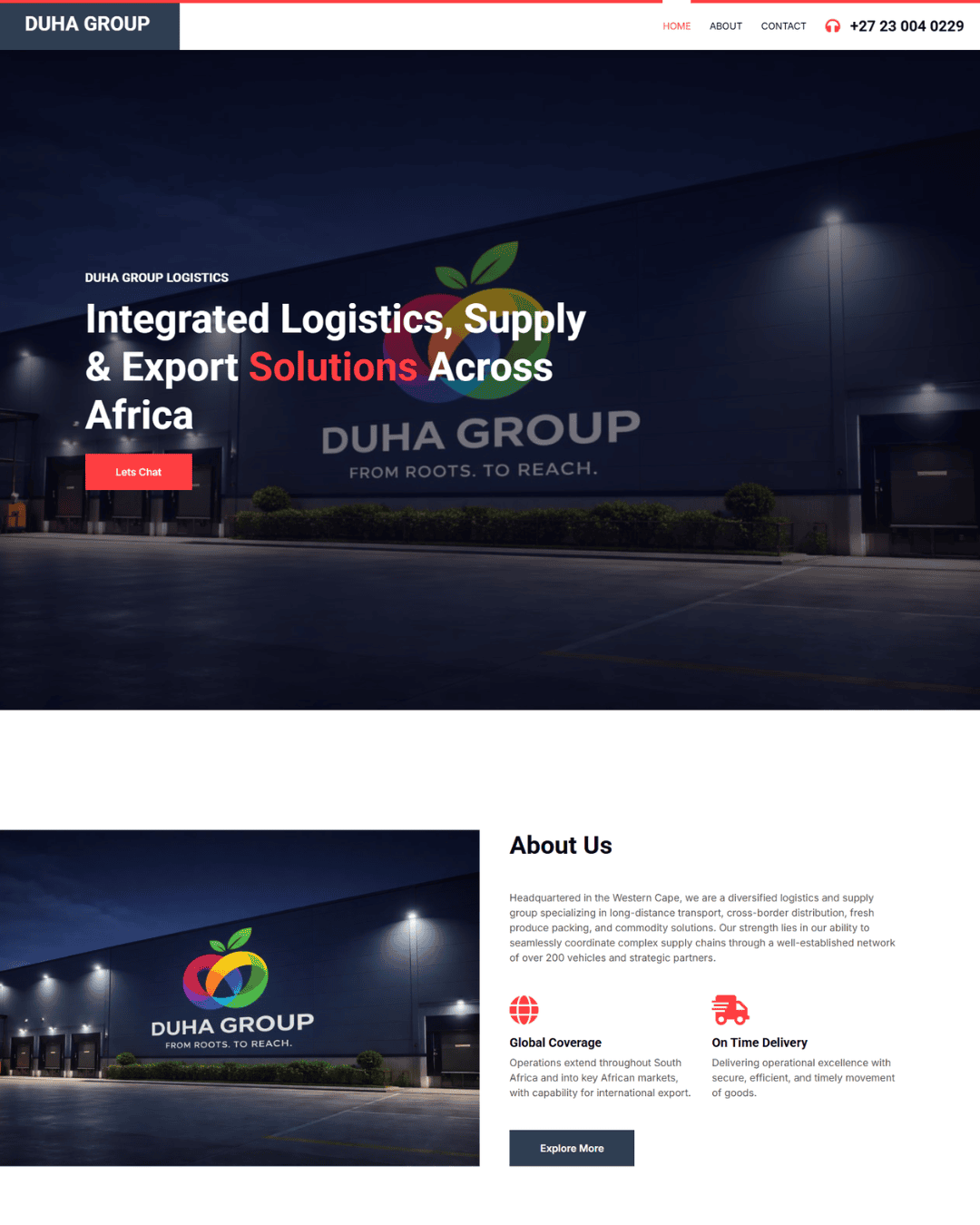
One recent project involved developing a new website for Duha Group, a logistics and supply chain company operating across South Africa. Their goal was to establish a professional online presence that reflected the scale of their business while supporting future Google Ads campaigns.
The website was designed with a clean, modern layout, mobile-first responsiveness and clear service pages that help visitors quickly understand the company’s logistics, export and supply chain solutions. Although the primary objective was lead generation through paid advertising rather than SEO, the site was still built using SEO best practices to ensure strong technical performance and future growth.
Read the full Duha Group Website Case Study to learn more about the project from planning through to launch.
How to Choose an Affordable Web Designer in Cape Town Without Sacrificing Quality
Finding an affordable web designer doesn’t mean choosing the cheapest quote. The best websites combine professional design, fast performance, mobile responsiveness and SEO best practices at a price that delivers long-term value. Before hiring any agency, compare their previous work, ask about ownership of your website, understand what’s included in the package and ensure the website is built to generate enquiries—not simply look attractive.
Affordable web design should not mean sacrificing quality.
The right web design partner will provide:
- Professional website design
- Mobile responsiveness
- Fast performance
- Search engine-friendly structure
- Ongoing support
- Transparent pricing
Rather than focusing solely on cost, evaluate the overall value and long-term benefits a website can provide for your business.
webdesign faq
Frequently Asked Questions About Choosing a Web Designer in Cape Town
Why shouldn't I choose the cheapest website quote?
Choosing the cheapest website quote can often cost more in the long run. Low-cost websites may exclude important features such as mobile optimisation, technical SEO, website security, fast loading speeds and ongoing support. While the upfront price may seem attractive, many businesses end up paying for redesigns or SEO fixes later. Instead of comparing price alone, look at the overall value, experience and quality of work provided.
How much should a small business website cost in South Africa?
The cost of a professional small business website depends on the number of pages, custom features and SEO requirements. A quality business website typically starts from around R1,500 once-off for a basic website and increases depending on your requirements. Investing in a professionally designed website often delivers a far better return than choosing the cheapest option because it is built to attract customers and support your business as it grows.
How do I know if a web designer is experienced?
An experienced web designer should have a portfolio of completed websites, positive client reviews and examples of businesses they have helped. Look for websites that load quickly, are mobile-friendly and include clear calls to action. It's also worth asking whether they understand local SEO, Google Business Profile optimisation and lead generation rather than focusing only on visual design.
Should SEO be included in website design?
Yes. SEO should be built into your website from the beginning rather than added later. A professionally developed website should include clean code, fast loading speeds, mobile responsiveness, proper heading structure, internal linking, image optimisation and technical SEO foundations. These elements help search engines understand your website and improve your chances of ranking on Google for relevant searches.
Who should own my website and domain name?
You should always own your domain name, hosting account and website files. This gives you complete control over your online presence and allows you to change web designers or hosting providers whenever you choose. Before hiring a web designer, ask who will own the website once it has been completed and ensure there are no restrictions on moving your website in the future.
Can I update my website myself?
Yes. Most modern websites are built using content management systems such as WordPress, making it easy to update text, images and blog posts without needing programming knowledge. If you prefer, your web designer can also provide ongoing maintenance and support, allowing you to focus on running your business while keeping your website secure and up to date.
How long does a professional website take to build?
The time required depends on the size and complexity of the project. A simple business website can often be completed within one to three weeks, while larger websites with ecommerce functionality or custom features may take longer. Providing your content, images and feedback promptly will help keep the project on schedule.
What happens after my website goes live?
Launching your website is only the beginning. To keep your website performing well, it should receive regular updates, security maintenance and ongoing improvements. Publishing new content, improving SEO and monitoring website performance can help increase your visibility on Google over time. A professionally built website provides a solid foundation that can grow alongside your business.
Choosing the Right Web Designer Can Save You Thousands
Choosing a web designer is an important decision that can significantly impact your business’s online success.
By avoiding these common mistakes, you can find affordable web design Cape Town businesses trust while ensuring your website becomes a valuable marketing and lead-generation tool.
A professionally built website is an investment that should continue generating enquiries for years. Rather than focusing only on price, compare experience, previous work, technical knowledge and ongoing support. Choosing the right web designer from the beginning can save money, improve Google rankings and help your business grow with confidence.
If you’re still comparing options, explore our Affordable Web Design Services and Website Pricing Guide before requesting a free quote.